5 Mistakes That Are Sabotaging Your Sleep Supplement (Stop Doing These)
You bought a natural sleep supplement, you’re taking it every night, and you’re still not sleeping well. Before you write it off as “just another product that doesn’t work,” it’s worth asking a harder question: are you actually using it correctly? A surprising number of people undermine their own sleep supplement without realizing it — through habits that quietly cancel out everything the formula is trying to do. Here are the five most common mistakes, and how to fix each one.

Mistake #1: Taking It Right Before You Try to Fall Asleep
This is, by far, the most common mistake — and the easiest to fix. Most natural sleep formulas, including ingredients like L-theanine, GABA, and melatonin, need time to start working. Taking your dose the moment you lie down and expecting instant results is like turning the oven on and expecting dinner in thirty seconds.
Why it matters: Ingredients like melatonin need roughly 30 minutes to begin meaningfully influencing your circadian signaling. If you’re taking your dose and immediately trying to fall asleep, you’re essentially skipping the window where the formula is supposed to do its most important work.
The fix: Take your dose a full 30 minutes before you actually intend to be lying in bed with the lights off. Use that half hour as a wind-down period — not extra time on your phone.
Mistake #2: Scrolling Your Phone Right After Taking It
This one sounds almost too obvious, but it’s shockingly common. People take their sleep supplement, then immediately open social media, check email, or watch something stimulating “just until I get sleepy.” The problem is that bright screen light suppresses natural melatonin production and keeps your brain mentally engaged — actively working against the very formula you just took.
Why it matters: You can’t out-supplement bad light hygiene. Blue light exposure sends a “stay awake” signal to your brain that can override or significantly blunt the calming effects of ingredients like melatonin and GABA.
The fix: Treat the moment you take your dose as the start of a screen-free wind-down period, not the middle of your normal evening scrolling routine.
Mistake #3: Expecting Night-One Results
Natural, multi-ingredient sleep formulas are not the same as a sedative. They’re designed to support your body’s own sleep-regulating systems — circadian rhythm, nervous system relaxation, serotonin balance — which is a gradual process, not an instant chemical knockout.
Why it matters: People who expect an immediate, dramatic effect often quit after two or three nights, right before the ingredients have had a real chance to build any cumulative effect. This is one of the biggest reasons people mistakenly conclude “it doesn’t work” when the real issue is timing expectations, not the formula itself.
The fix: Commit to a minimum of two to three weeks of consistent nightly use before judging effectiveness. Most meaningful improvements to sleep depth and continuity build gradually over this window, not overnight.
Mistake #4: Inconsistent Use — Only Taking It on “Bad Nights”
It’s tempting to save your sleep supplement for nights you expect to struggle, and skip it on nights you feel naturally tired. This approach almost guarantees disappointing results.
Why it matters: Formulas built around circadian rhythm support work by reinforcing a consistent nightly signal to your body. Sporadic use doesn’t give your system the consistent input it needs to actually recalibrate. It’s a bit like trying to fix a broken sleep schedule by going to bed on time only twice a week — the inconsistency itself is part of the problem.
The fix: Use it every night for at least a full cycle, regardless of how tired you feel beforehand. Consistency is doing more of the work than people realize.
Mistake #5: Ignoring Caffeine and Alcohol Timing
You can take a well-formulated sleep supplement exactly as directed and still get poor results if you’re drinking coffee at 4 p.m. or having a glass of wine right before bed. Both substances directly interfere with the same systems many natural sleep ingredients are trying to support.
Why it matters: Caffeine has a half-life of roughly 5–6 hours, meaning a mid-afternoon coffee can still be actively working against GABA and L-theanine’s calming effects come bedtime. Alcohol, meanwhile, causes a rebound effect that fragments sleep later in the night — directly undermining the sustained relaxation a formula like YuSleep is designed to support.
The fix: Set a caffeine cutoff in the early afternoon, and try to finish any alcohol at least three to four hours before bed. Small timing adjustments here often produce a bigger improvement than people expect.
Putting It All Together
None of these mistakes are complicated to fix, but each one, on its own, can quietly cancel out a meaningful portion of what a well-formulated sleep supplement is trying to accomplish. Combined, they can make an effective product feel like it’s doing nothing at all — which leads a lot of people to give up right before they would have started seeing real results.
If you’re using YuSleep, or considering it, here’s the simplified version of doing it right:
- Take it 30 minutes before bed, not the moment you lie down
- Use that 30-minute window screen-free
- Commit to at least two to three weeks before judging results
- Use it every night, not just on rough nights
- Cut caffeine early and finish alcohol a few hours before bed
Why This Matters More Than Which Product You Choose
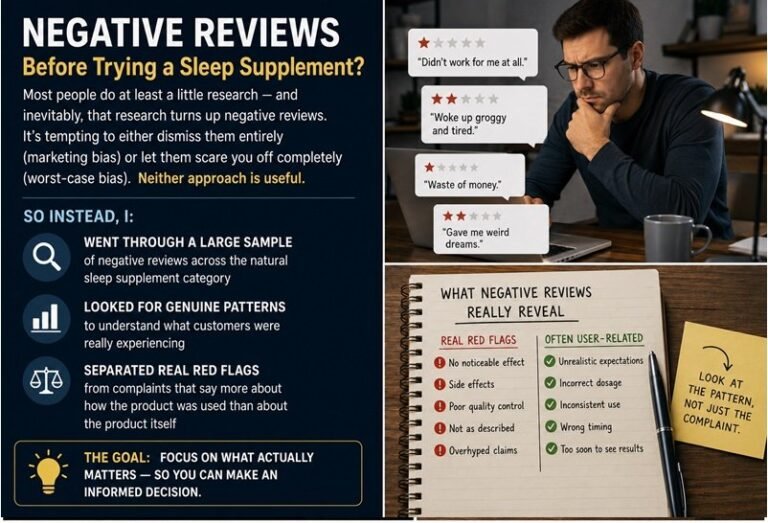
Here’s an uncomfortable truth: a lot of “this supplement didn’t work for me” reviews online are really “I used this supplement incorrectly” reviews in disguise. Even a well-formulated product with a thoughtful combination of ingredients — melatonin, red tart cherry extract, GABA, L-theanine, 5-HTP, and B vitamins, in YuSleep’s case — can underperform if the basic conditions around timing, consistency, and lifestyle habits aren’t in place.
Final Thoughts
Before deciding a sleep supplement “just doesn’t work,” it’s worth honestly checking whether you’re making one or more of these five mistakes. Fixing them costs nothing, takes very little effort, and often makes the difference between lukewarm results and the kind of consistent, noticeably better sleep the formula was actually designed to deliver.
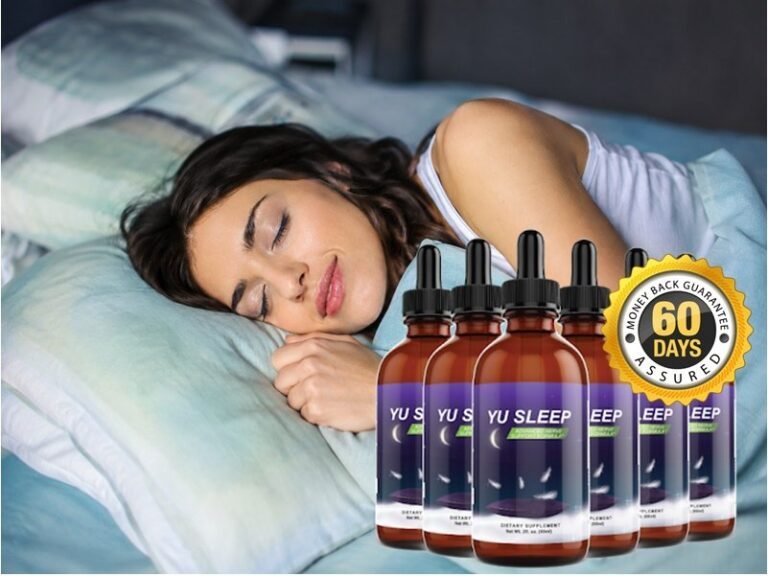
Find out how YuSleep helps you have a good sleep!
These statements have not been evaluated by the FDA. This product is not intended to diagnose, treat, cure, or prevent any disease. Individual results may vary.