I Tried Everything to Sleep Better. Here’s What Finally Worked.
There’s a particular kind of tired that coffee can’t fix. It’s not the tired you feel after a late night out or a long flight — it’s the bone-deep exhaustion that comes from months, sometimes years, of sleep that never quite does its job. If you know that feeling, you already know how much time and money you’ll spend chasing a fix. This is the story of that chase — the dead ends, the almost-there moments, and the thing that finally worked.
The Slow Slide Into Bad Sleep
It rarely happens all at once. For most people, poor sleep creeps in sideways — a stressful few weeks at work, a habit of scrolling in bed “just for ten minutes,” a nightcap that seemed harmless. Then one day you realize it’s been months since you woke up without an alarm and felt genuinely rested.
That was roughly how it started for me. A demanding stretch at work turned into a habit of lying awake replaying the day’s problems. Within a few months, “trouble sleeping” had become “I don’t remember what good sleep feels like.”
Round One: The Obvious Fixes
Like most people, I started with the free advice everyone already knows. Less caffeine. No screens before bed. A consistent bedtime. Some of it helped a little. None of it solved the actual problem, which was a brain that simply would not power down at night.
Round Two: The Drugstore Aisle
Next came the pharmacy aisle — the wall of gummies, tablets, and sprays promising a full night’s rest. I tried basic melatonin gummies first. They worked, sort of, for about a week. Then either the effect faded, or I started waking up groggy, like my brain hadn’t fully caught up with my alarm clock. I tried a different brand. Same story. It turns out this is common — plain melatonin is a narrow tool, good for resetting your clock after travel, but it doesn’t do much for a mind that’s simply too wired to switch off.
Round Three: The Prescription Route
Eventually, I brought it up with my doctor, who mentioned prescription sleep medication as an option. It worked — almost too well. I slept, but woke up foggy, slower to think, and slightly uneasy about the idea of needing a pill every night indefinitely. The dependency question nagged at me more than any side effect did. I didn’t want a crutch. I wanted my sleep back.
The Turning Point: Understanding Why Nothing Was Working
Somewhere in this process, I finally understood something that would have saved me a lot of time and money if I’d known it earlier: my sleep problem wasn’t really about melatonin at all. It was about an overactive nervous system that never got the memo it was time to relax. Melatonin tells your body what time it is. It does almost nothing to quiet a racing mind.
That distinction changed how I looked for a solution. I stopped searching for “sleep aid” and started searching for something that addressed relaxation and circadian rhythm together — not just one or the other.
What Actually Changed Things
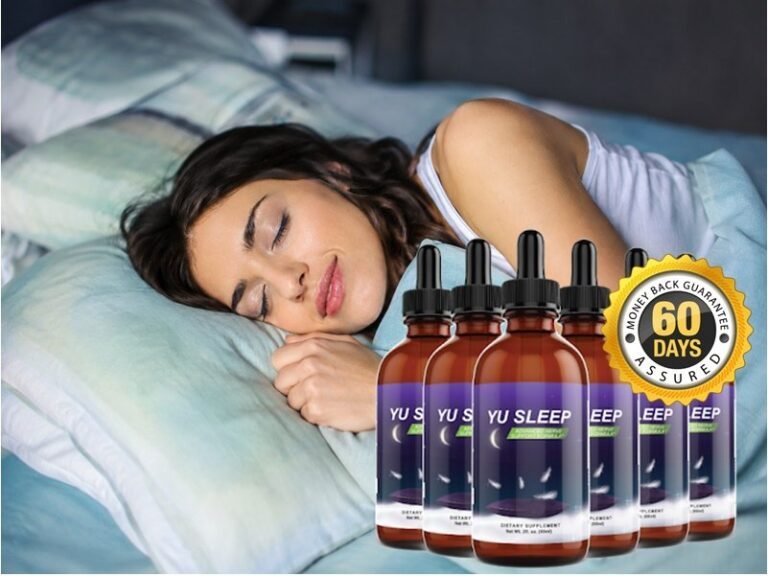
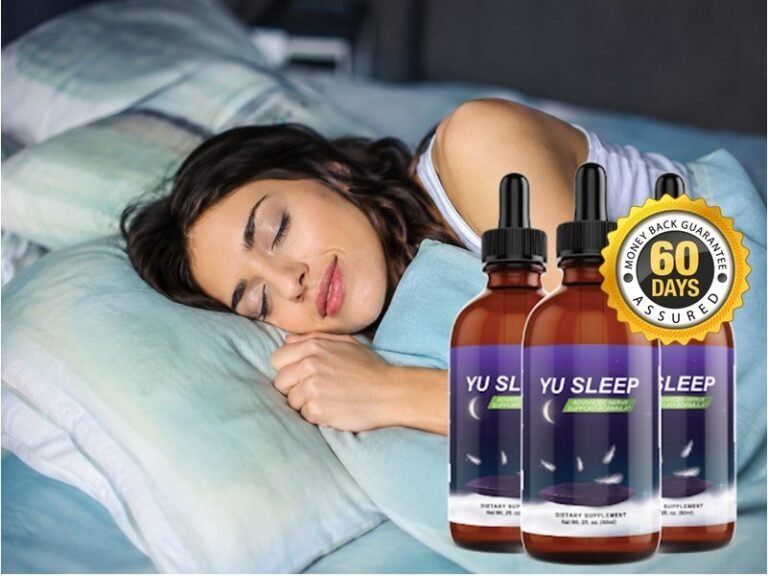
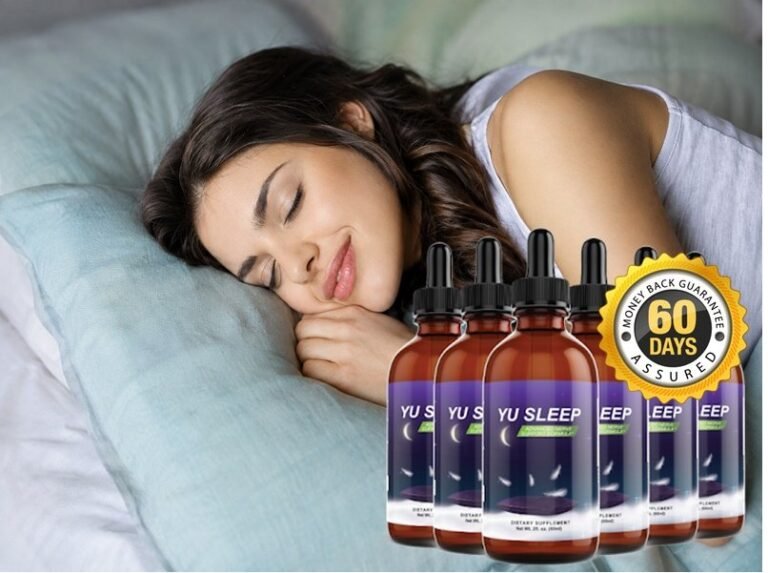
That’s how I ended up trying YuSleep, a liquid formula combining melatonin with calming ingredients like L-theanine and GABA, along with 5-HTP and B vitamins to support mood and serotonin production. On paper, it looked like it was built around the actual problem — a wired nervous system, not just a mistimed body clock.
The first few nights weren’t dramatic. That was almost reassuring, honestly, after being burned by products that promised instant results and delivered a rough morning instead. What I noticed first wasn’t “I fell asleep the second my head hit the pillow” — it was that my mind felt quieter while lying there. The usual mental replay of the day’s stress just… didn’t show up the way it normally did.
By the second week, the bigger shift happened: I stopped waking up at 2 or 3 a.m. for no reason. That had been such a normal part of my nights for so long that I hadn’t even registered it as unusual anymore — until it stopped happening.
By week three or four, mornings felt different in a way that’s hard to fully put into words if you haven’t experienced sleep deprivation for an extended period. Not “energized” in some hyped-up way — just normal. Clear-headed. The kind of morning most people probably take for granted.
What I’d Tell Someone Starting This Journey
If you’re at the beginning of your own version of this search, here’s what I wish someone had told me sooner:
Plain melatonin isn’t a complete solution for everyone. If your sleep problem is really an anxiety problem in disguise, melatonin alone often won’t touch it.
Prescription medication isn’t automatically the next logical step. It has its place, but it’s worth exhausting non-habit-forming, natural options first if dependency and grogginess concern you.
Give things more than a few nights. I judged too many products too quickly in the beginning. A formula that supports circadian rhythm and nervous system relaxation needs a few weeks to show its full effect — not a single night.
Look at what’s actually in the formula, not just the marketing. The products that worked best for me were the ones that addressed more than one part of the sleep equation — timing and relaxation together, not just one or the other.
Where I Am Now
I still have the occasional off night — everyone does. But it’s no longer the norm. Bedtime doesn’t come with the dread it used to carry, and I don’t spend my mornings doing mental math about how many hours of sleep I actually got. That shift — from constantly managing a problem to mostly not thinking about it at all — is honestly the biggest win.
If This Sounds Like Your Story Too
Chasing better sleep can feel like an expensive, exhausting process of trial and error, especially when nothing seems to stick. If you’ve been through the same drugstore aisle, the same prescription conversation, the same disappointment with quick fixes that don’t last, it might be worth looking for a formula that treats sleep as more than a timing problem — one that also addresses the racing mind that so often gets left out of the equation.
Visit YuSleep’s Official Website to Get Special Offer Today!
Individual results vary. This account reflects one person’s experience and is not a guarantee of results for any individual. These statements have not been evaluated by the FDA. This product is not intended to diagnose, treat, cure, or prevent any disease.